


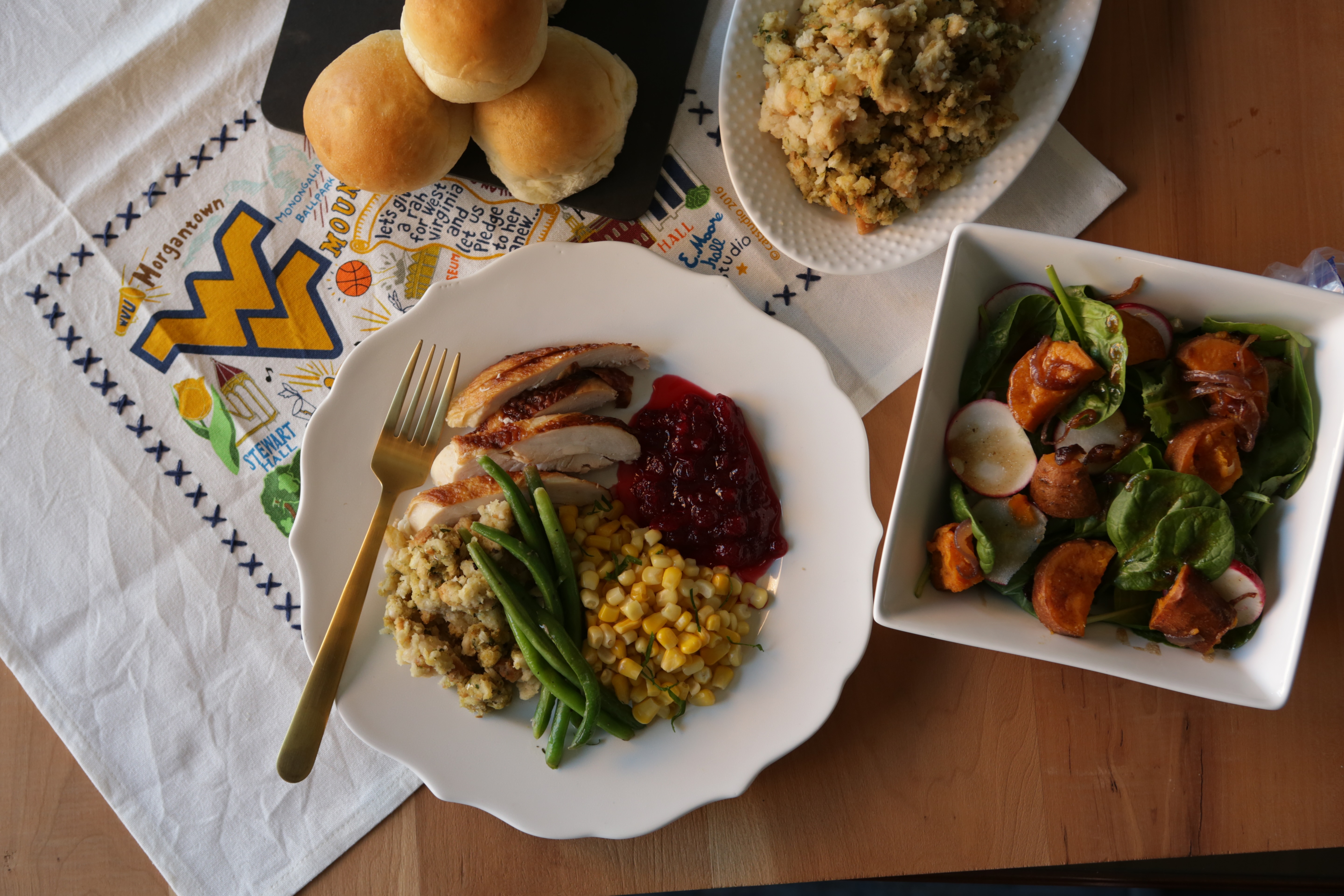
Even gratitude can start to grate when Thanksgiving stressors accumulate. To help, a WVU expert is offering peacekeeping strategies. (WVU Photo/Scott Lituchy)
Tensions can simmer when families gather for Thanksgiving, but a West Virginia University expert has tips to stop disagreements from boiling over like a pot of potatoes.
Jessica Troilo, associate professor and associate dean for research, engagement and faculty affairs in the WVU College of Applied Human Sciences, is available to explain what drives holiday conflicts and share strategies to keep gatherings positive.
Quotes:
“The tension often starts weeks before Thanksgiving. Many people feel dread about seeing certain relatives and that worry can snowball. We sometimes rehearse arguments in our heads, which makes us more likely to react defensively once the real gathering begins.
“For Thanksgiving guests as well as hosts, it’s tiring before it begins. Travel, crowded airports, disrupted routines and lack of sleep wear us down, and our patience for family drama runs thin. Once we’re stressed, we can enter fight-or-flight mode, becoming quick to argue, shut down or take things personally.
“Alcohol adds fuel to the fire. It lowers inhibitions, which means comments that might normally be kept in check slip out.
“Politics often gets the spotlight, but it’s one piece of a bigger picture. Families can clash over parenting, religion, money or life choices. The differences themselves aren’t the problem. It’s when people feel those differences aren’t respected that tensions rise.
“Gatherings can pull us right back into our childhood roles. Maybe you were the troublemaker, the responsible one or the baby. These roles can stick, even when we’ve outgrown them, causing resentment. Family disputes have a way of lingering, too. A holiday meal might bring together relatives who haven’t spoken in years. In those cases, it doesn’t take much — a look, a comment or even silence — for old tensions to resurface.
“Unless you’re living in a Hallmark holiday movie, some tension is almost guaranteed. But there are ways to minimize the drama.
• “Be realistic. The picture-perfect holiday in movies or on social media isn’t real life. Give yourself and your family permission to be imperfect — burnt rolls, messy house and all.
• “Know your triggers. Everyone has their hot buttons. The key is to recognize yours. Notice how your body reacts to stress — a faster heartbeat, sweaty palms, a knot in your stomach. Then plan how you’ll respond: take a breath, step outside, steer the conversation elsewhere. A little preparation goes a long way.
• “Set boundaries. Practice a simple, polite phrase like ‘I’d rather not talk about that right now’ or ‘Let’s change the subject’ that lets you hold your ground without creating tension.
• “Host with intention. If you’re the host, you have influence over the vibe. Plan seating arrangements to avoid conflict. Introduce a gratitude activity. Suggest a group walk. Set up a game. Keep people busy with something positive.” — Jessica Troilo, associate professor and associate dean for research, engagement and faculty affairs, WVU College of Applied Human Sciences
West Virginia University experts can provide commentary, insights and opinions on various news topics. Search for an expert by name, title, area of expertise or college/school/department in the Experts Database at WVUToday.
-WVU-
ks/11/13/25
MEDIA CONTACT: Katelyn Short
Communications Specialist
WVU Strategic Communications and Marketing
Katelyn.Short@mail.wvu.edu
Call 1-855-WVU-NEWS for the latest West Virginia University news and information from WVUToday.