WVU neuroscientist searches for reasons for resiliency in brain
WVU neuroscientist Kathleen “Katie” Morrison is studying what fuels resilience in the brain — research that could help improve lives in West Virginia and beyond. (WVU Photo/Jennifer Shephard)
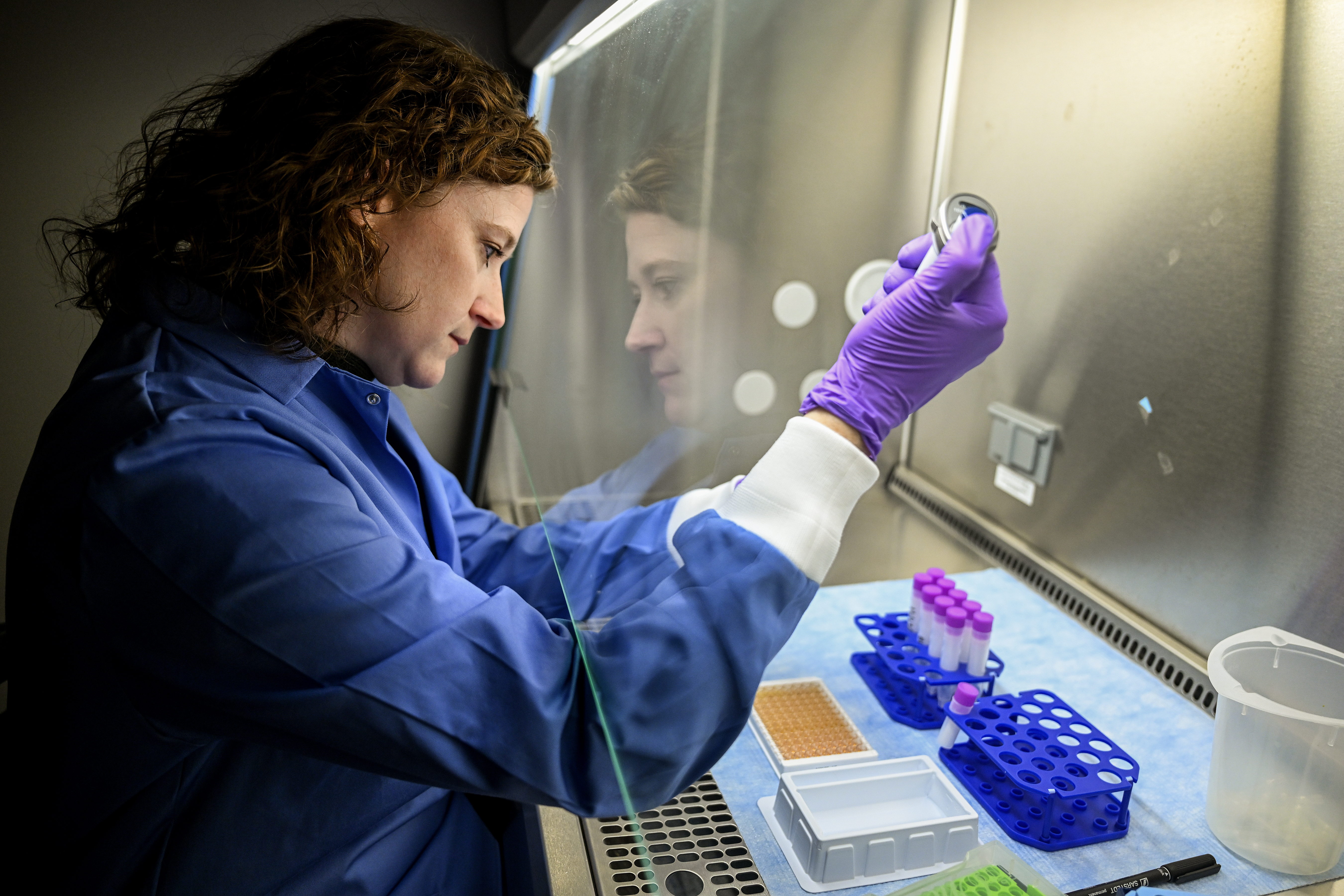
“Neuroscience is about the human condition.”
And for Kathleen “Katie” Morrison, an assistant professor specializing in behavioral neuroscience psychology in the West Virginia University Eberly College of Arts and Sciences Department of Psychology, the human condition is defined by resiliency.
“It’s no surprise to people that stress and trauma are bad for you. It’s also the case that we’re never going to get rid of all the stress and trauma in the world,” Morrison said. “So can we understand what makes people resilient?”
That’s the driving question fueling her research work using mice — the search in the brain for understanding about why some suffer negative consequences of adversity, while others withstand or recover quickly from difficult conditions — with the goal of potentially applying the findings to humans.
She’s especially interested in the long-term effects of childhood trauma on women.
“We’re identifying vulnerabilities to stress over lifetimes,” she said.
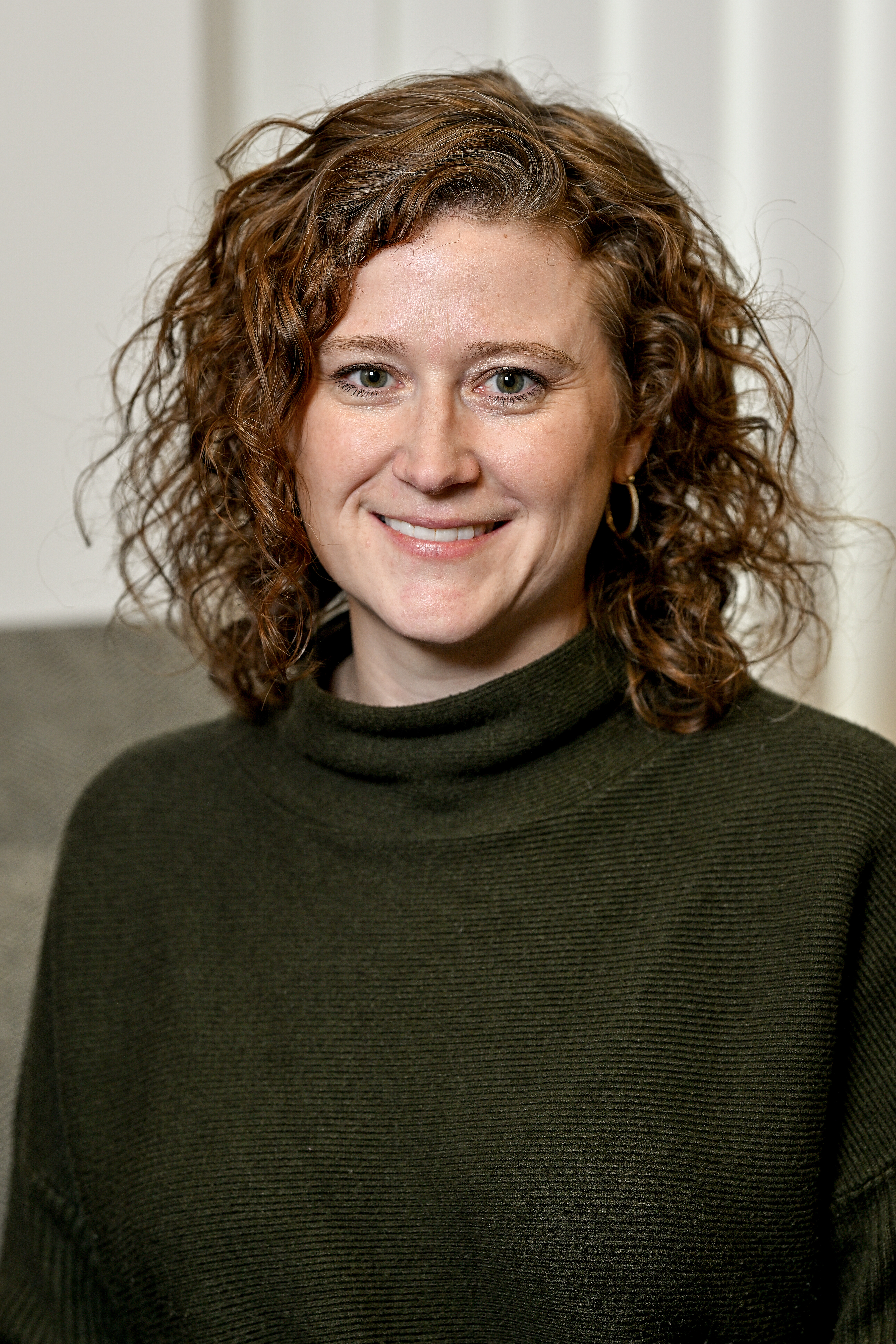
Kathleen “Katie” Morrison, assistant professor, behavioral neuroscience, Department of Psychology, WVU Eberly College of Arts and Sciences (WVU Photo/Jennifer Shephard)
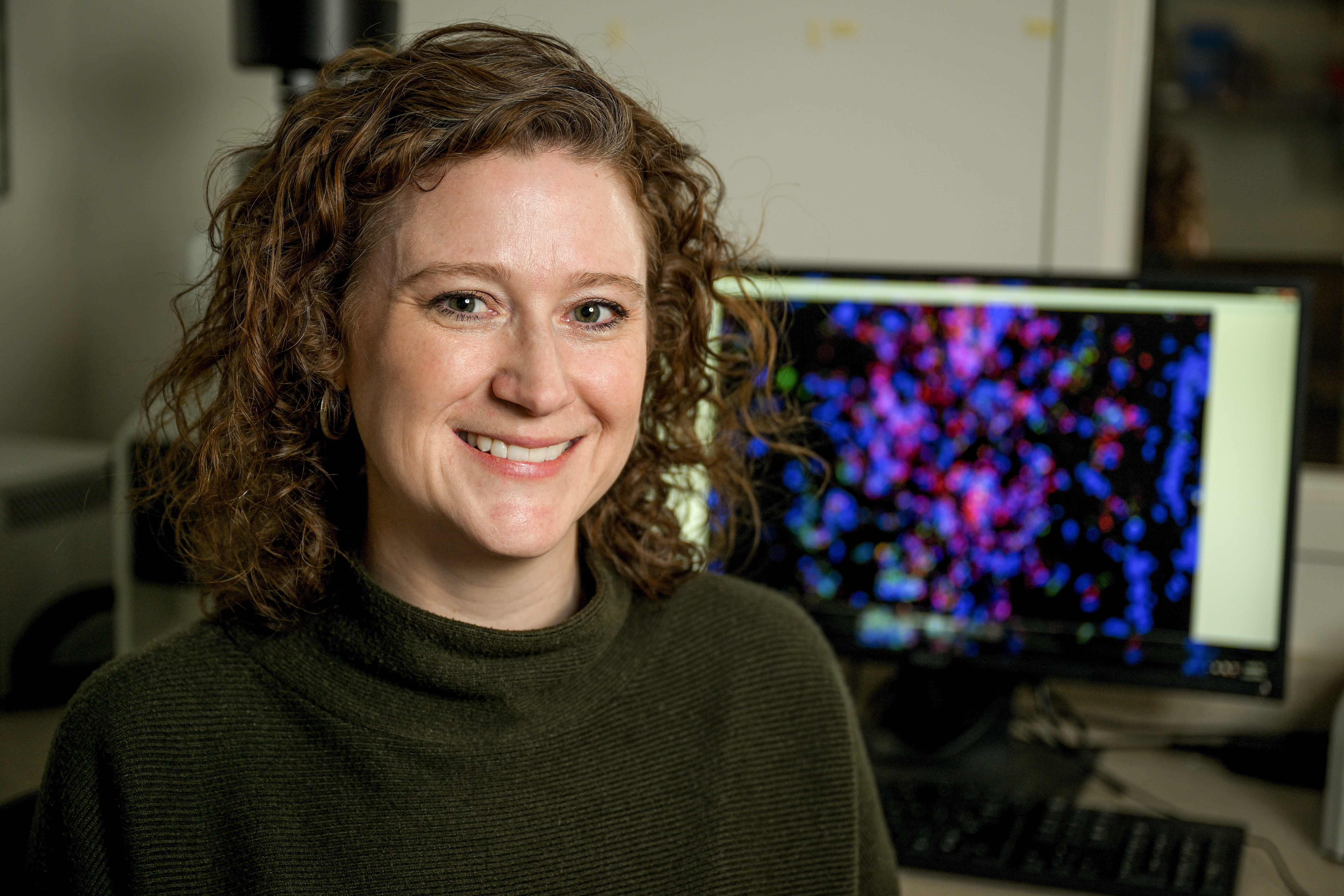
A 2006 University graduate and West Liberty native, Morrison earned dual bachelor’s degrees in psychology and biology.
“It’s what is now the neuroscience major,” she said of the growing academic program within the Eberly College and the only degree program of its kind in West Virginia, which allows students to explore nearly every facet of neuroscience and understand how the brain works in advanced research facilities with two areas of emphasis: behavioral neuroscience or cellular, molecular and systems neuroscience.
After graduating from WVU, Morrison went on to earn her doctoral degree in biological psychology from the University of Tennessee Knoxville where her research focus on women’s health using animal models was solidified when she was told males were more frequently used for animal research because females are “too complicated.”
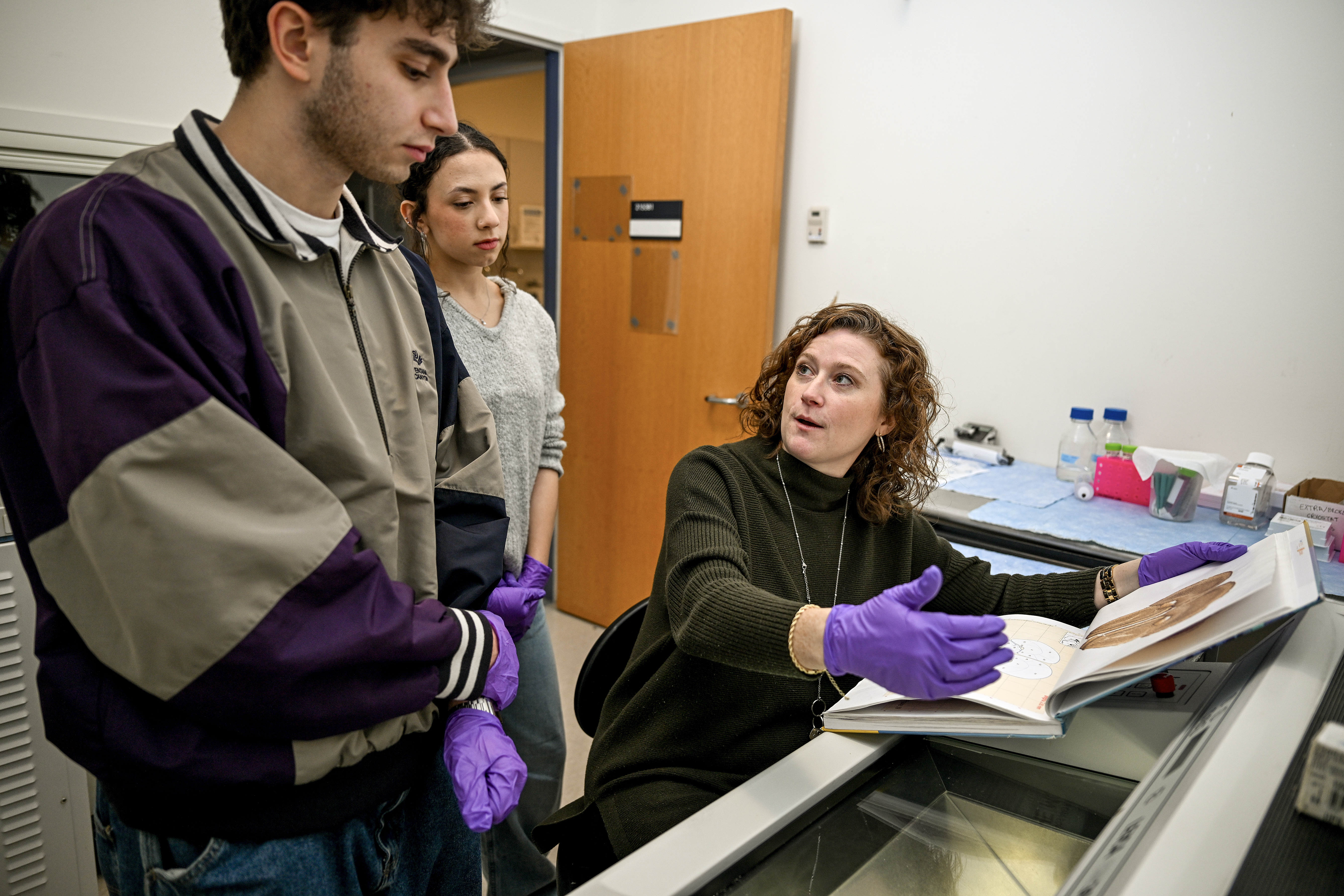
Morrison and her students work side by side in advanced labs to better understand how stress and trauma shape health across a lifetime. (WVU Photo/Jennifer Shephard)
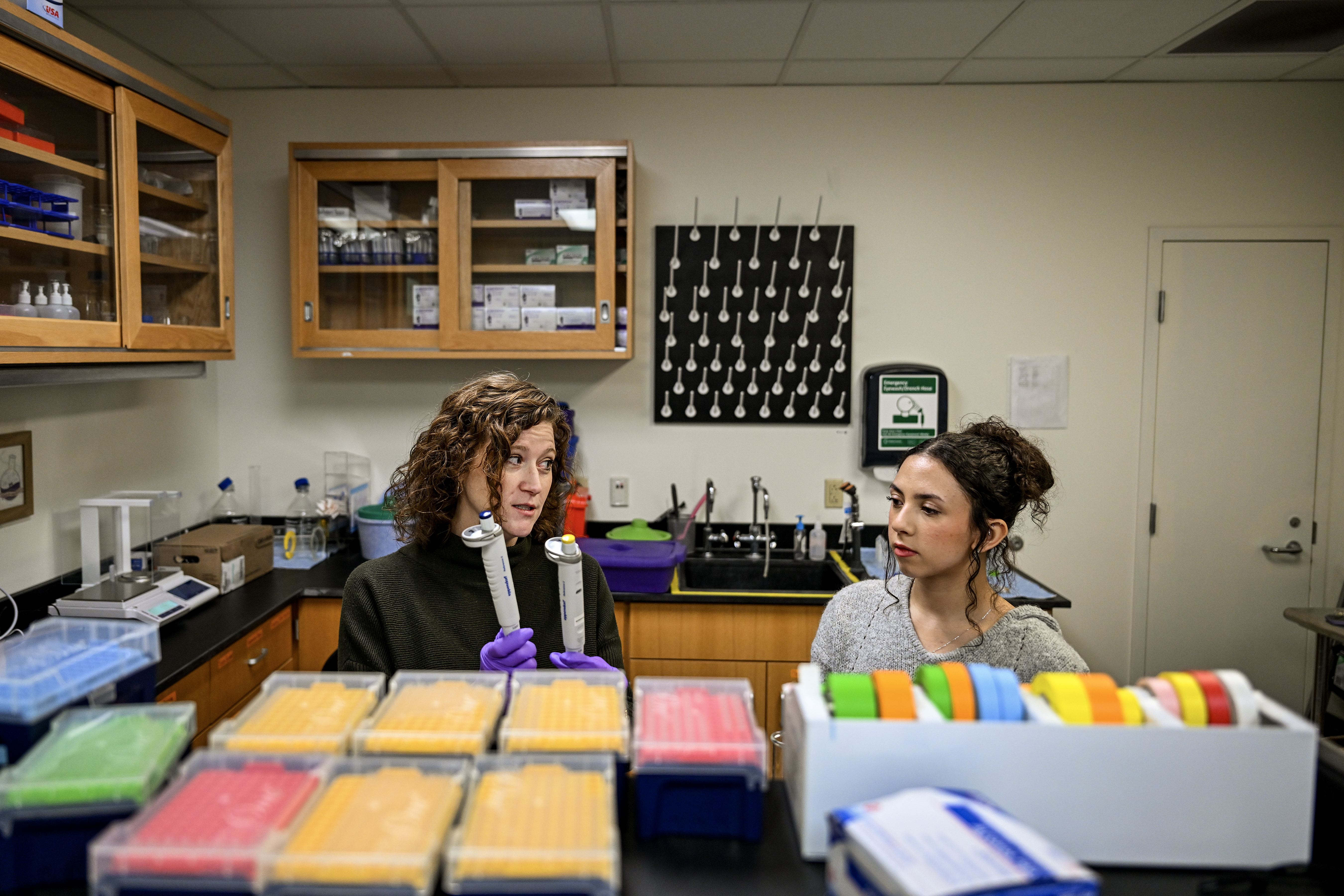
“There are certain things we just can’t address if you’re only focusing on what’s going with males,” she said.
To expand her understanding, she completed a postdoctoral fellowship looking at sex differences in life experiences at the University of Pennsylvania and the University of Maryland School of Medicine before being hired by WVU and onboarded in 2020 during the pandemic.
The Morrison Translational Neuroscience Lab she launched with her arrival looks, in part, at stress during puberty — when females tend to be more vulnerable — and then outcomes later in life, including during pregnancy and postpartum, and older age.
“These are all very understudied times in the female lifespan, especially when it comes to the response to stressors,” Morrison said.
Hands-on research is central to the WVU experience and Morrison said giving undergraduates and graduate students real lab training directly contributes to discoveries in behavioral neuroscience. (WVU Photo/Jennifer Shephard)
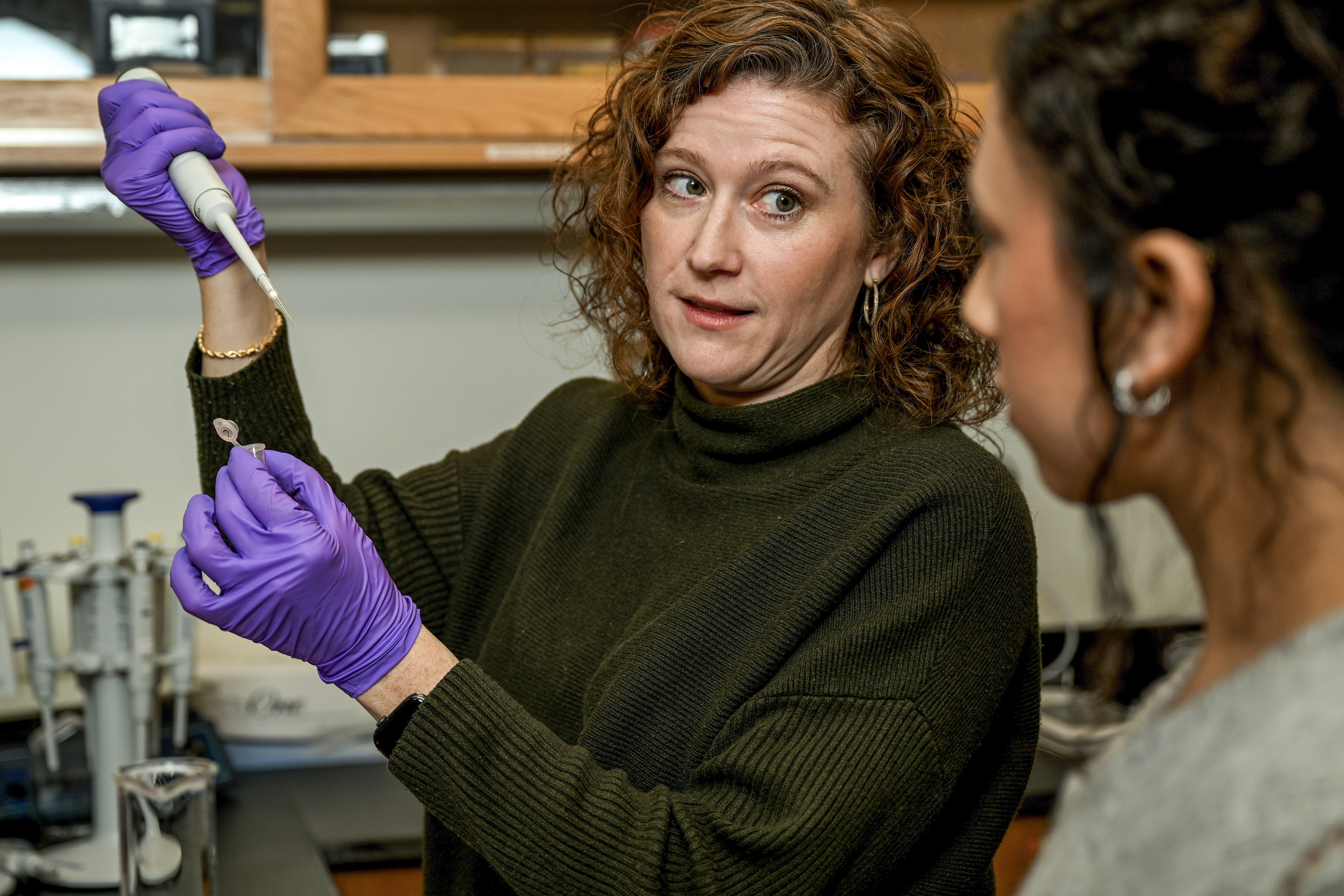
Seeing many potential opportunities for collaboration, Morrison created the Translational Research on Adverse Childhood Experiences and Resilience — or TRACER — group, based in the WVU Department of Psychology.
TRACER brings together an interdisciplinary team of researchers, clinicians, policymakers and educators focused on understanding the risk factors and consequences of adversity and the factors that produce resilience.
Those involved consider this question: “How does adversity or trauma experienced early in life — including childhood and adolescence — influence someone throughout their lives?”
“That’s a really big question, but it’s a really important,” Morrison said. “It affects a lot of West Virginians, so it’s important for WVU and for the Mountain State.”
TRACER offers a seminar series, graduate student writing group and undergraduate training opportunities while bringing together developmental and clinical psychologists, behavior analysts, clinicians and more applied areas, like social work.
Neuroscience is for “anyone who is interested in the human condition,” according to Morrison.
The neuroscience pathway at the WVU Eberly College connects psychology and biology — preparing students to explore the brain from multiple angles while gaining mentorship and research experience early. (WVU Photo/Jennifer Shephard)
“I think we are all neuroscientists, really, at the end of the day. It is all deeply interconnected with our nervous system, so we’re all linked to neuroscience in one way or another,” she said.
“It’s truly interdisciplinary. Neuroscientists are spread all over campus and are working to solve problems that are relevant to West Virginians and others beyond the state’s borders.”
In her lab, Morrison’s staff typically includes two graduate students and between six and 10 undergraduate students.
“The reason I’m a researcher is because someone gave me a chance to do research as an undergraduate. I did not know it was a career,” Morrison said. She had originally planned to be a physician, but changed course. “I got the opportunity to do research and realized that I loved that.”
Referred to as “Dr. Katie” by her students, she is now providing high-quality research and mentoring experiences to enhance access to a range of additional research opportunities, including support from the WVU Office of Undergraduate Research, starting early in educational careers.
Kathleen “Katie” Morrison, assistant professor, behavioral neuroscience, Department of Psychology, WVU Eberly College of Arts and Sciences (WVU Photo/Jennifer Shephard)
“It’s the best,” she said of the times when a student starts to understand the research work they’re doing. “I love doing research and the opportunity to pursue science as a career is incredible, but the day-to-day thing that keeps me going often is seeing the students learning, doing well in the lab, and succeeding at their goals. I love that.”
Along with her students, her three daughters — Genevieve, 11, Elizabeth, 10, and Charlotte, 7 — often join her in her office, with a view of Woodburn Hall, and lab located in the Life Sciences Building on the Downtown area of campus.
“The work we’re doing here is touching your everyday life,” Morrison said. “We’re trying to understand and make life better for people.”
Find more information about neuroscience in the WVU Eberly College.
The use of animals in this project was evaluated by the WVU Institutional Animal Care and Use Ethics Committee. WVU is voluntarily accredited by AAALAC International, a peer organization that establishes a global benchmark for animal well-being in science.
-WVU-